Early-career researchers (ECRs) are playing a crucial role in shaping the future of toxicology, chemical safety, and next-generation risk assessment. At ESTIV 2026 in Maastricht, the ASPIS Academy hosted an interactive lunch session that brought together a new generation of scientists for networking, exchange, and cross-community collaboration.
The session, chaired by Rita Ortega-Vallbona (ASPIS Academy, ONTOX) and Luiz Ladeira (ESTIV Early Career Network Board, ONTOX), welcomed around 40 participants, including representatives from three ECR communities: the ASPIS Academy, the PARC Junior Community, and the VICT3R ESR Network.
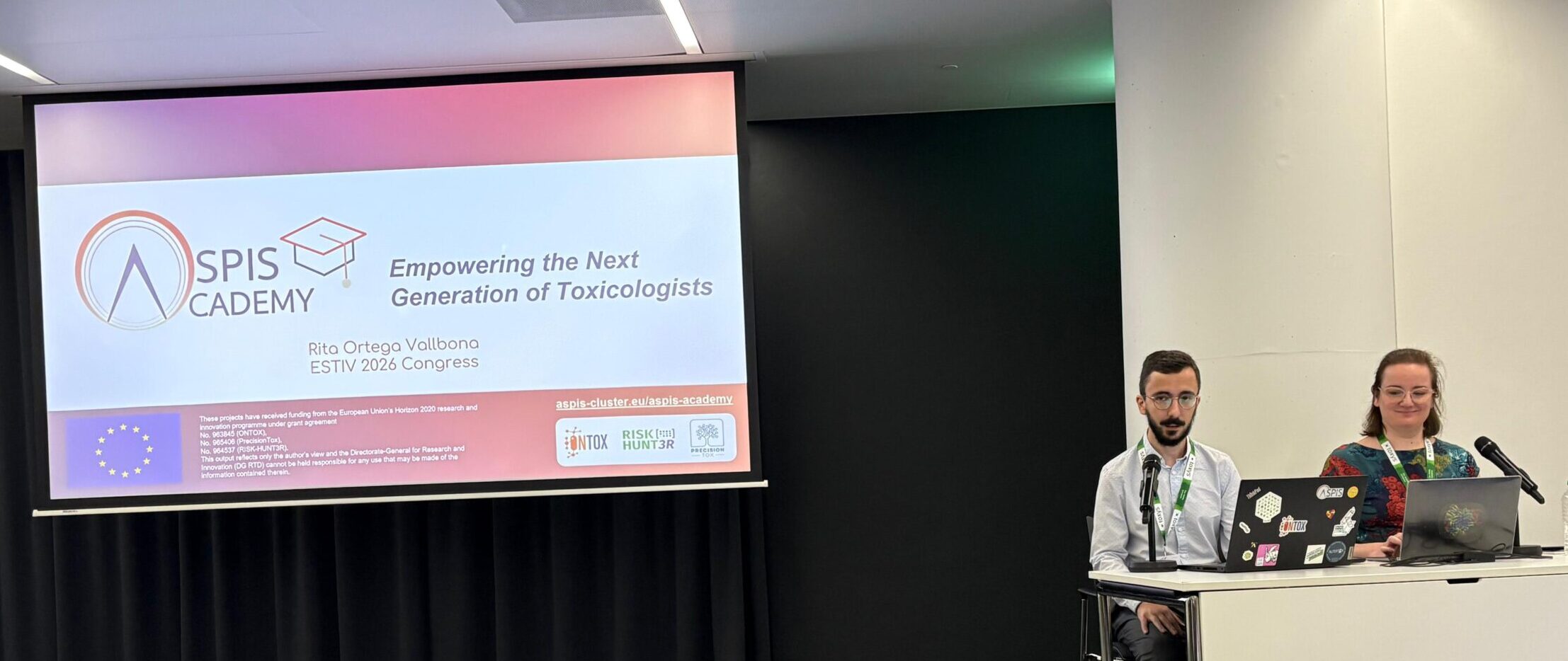
Luiz Ladeira and Rita Ortega-Vallbona chairing the interactive lunch session at ESTIV 2026.
Building bridges between ECR communities
The session started with short presentations from representatives of ECR communities:
- Rita Ortega-Vallbona (ASPIS Academy): The ASPIS Academy: Empowering the next generation of toxicologists
- Katya Manuella Permana (PARC Junior Community): PARC Junior Community: The Early-Stage Researcher community of the Partnership for the Assessment of Risks from Chemicals (PARC)
- Julia Matyjasiak (VICT3R ESR Network): Introduction to VICT3R ESR network
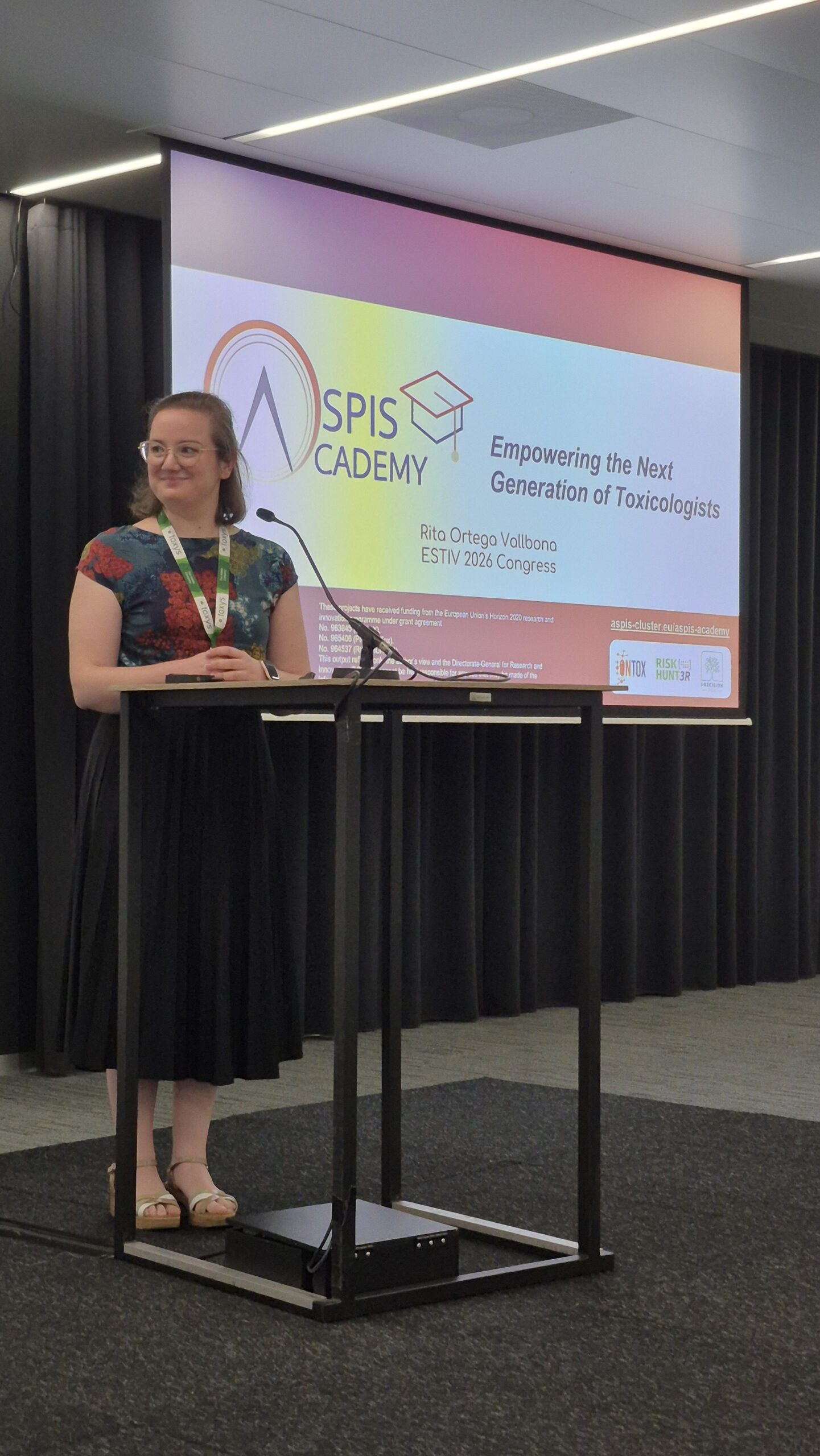
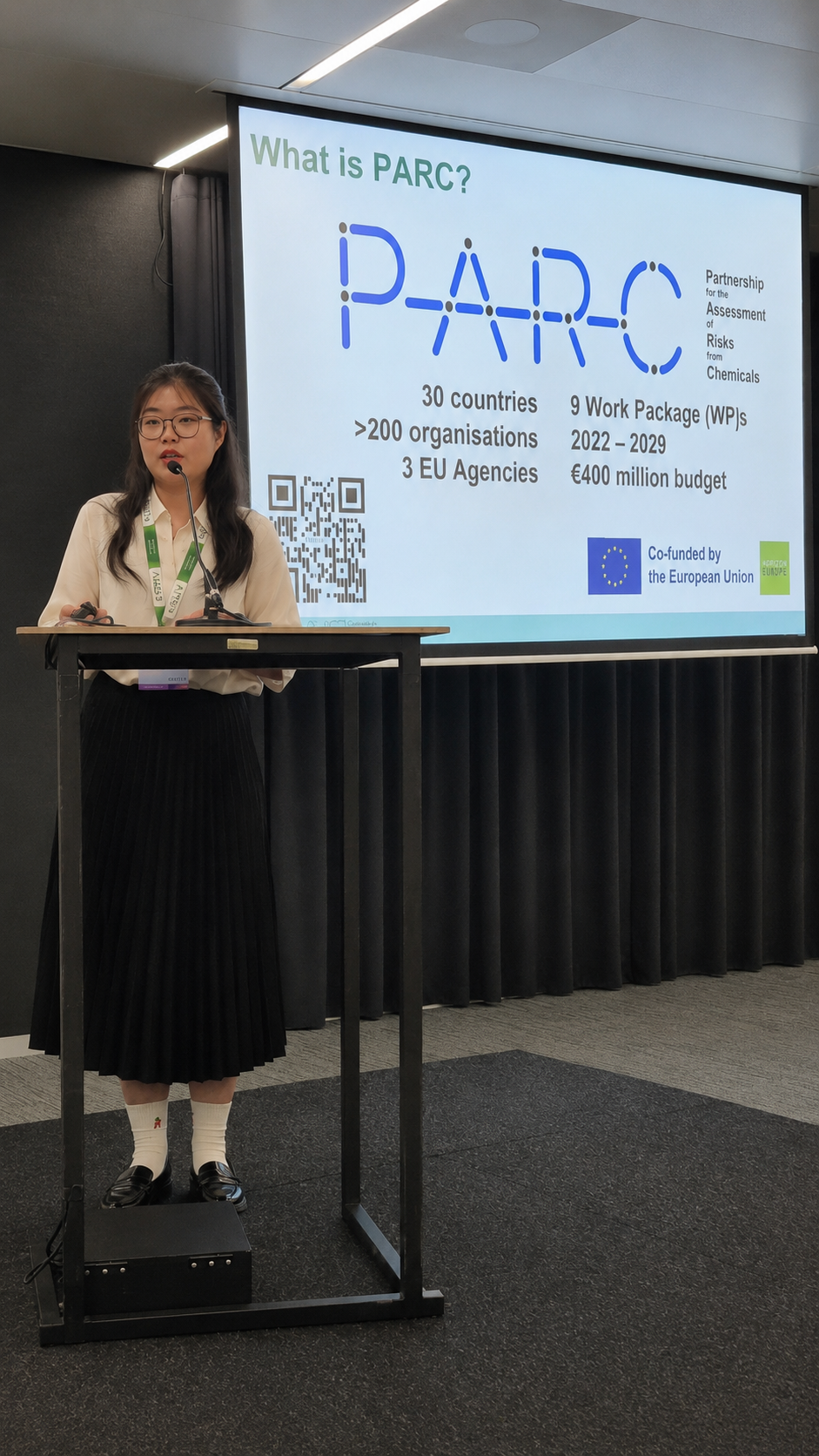
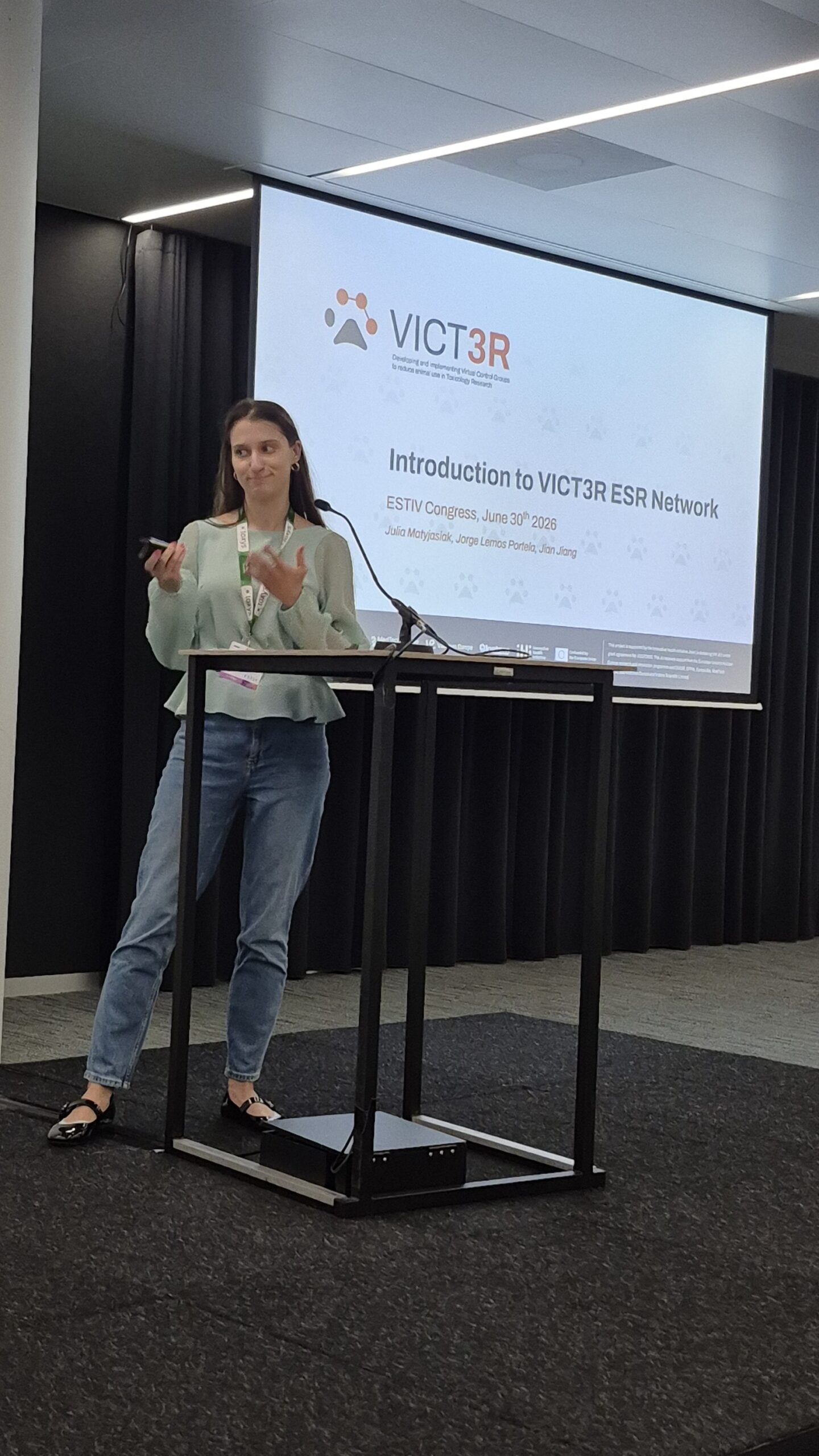
Representatives Rita Ortega-Vallbona (ASPIS Academy), Katya Manuella Permana (PARC Junior Community), and Julia Matyjasiak (VICT3R ESR Network) introduced their communities and ongoing activities.
Although each community emerged from a different European initiative, all three share a common goal: supporting ECRs in toxicology, New Approach Methodologies (NAMs), and chemical risk assessment. While each community has its own identity, priorities, and scientific focus, participants agreed that stronger collaboration through joint webinars, mentoring, conference networking events, transferable skills sessions, and a shared calendar of activities would create opportunities for ECRs while preserving the unique character of each community.
Shaping the future together: Listening to ECRs
A central part of the session was an interactive Kahoot activity designed to explore participants’ needs, expectations, and barriers to engagement in ECR networks.
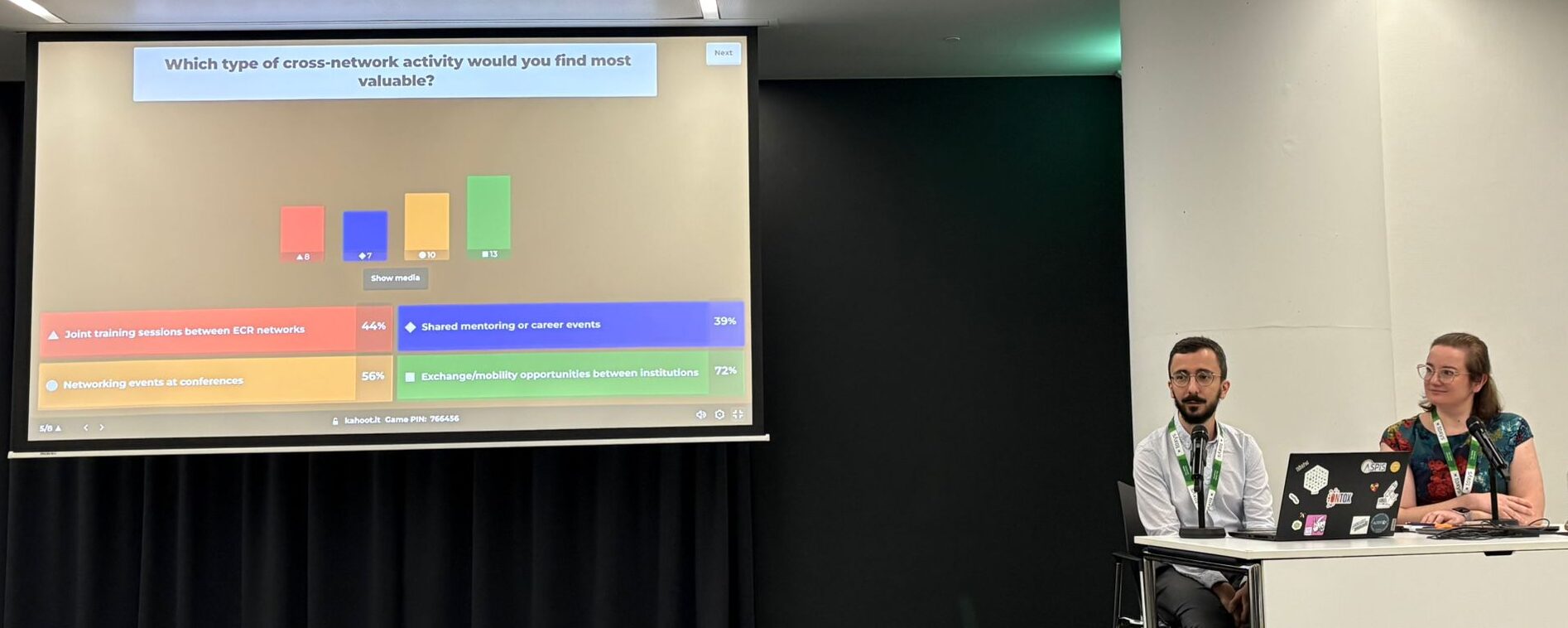
Participants shared their views on ECR needs, barriers, and future cross-network opportunities through an interactive Kahoot session.
The responses highlighted that scientific workshops and hands-on training were considered the most valuable activities, followed by career development sessions, informal networking, and mentoring with senior researchers. When asked what type of support from senior researchers they valued most, participants prioritised help in identifying collaborations, placements, or host laboratories, followed by advice on funding opportunities and fellowships.
The discussion also addressed how mentoring programmes could be designed. Rather than a “one-size-fits-all” approach, participants preferred flexible mentoring from senior researchers, allowing mentors and mentees to jointly define the most suitable format based on each ECR’s needs, expertise, and career stage.
Time, visibility, and institutional support remain key barriers
The session also explored why ECRs may not always actively participate in community activities. The most frequently identified barrier was limited time due to research workload, followed by uncertainty about how to get involved, insufficient visibility or late announcements of activities, and lack of confidence to join events without knowing other participants.
To encourage participation, attendees highlighted the need for activities more closely aligned with their career needs, stronger support from supervisors and institutions, clearer communication, and more informal, low-pressure networking opportunities.
These insights underline an important message for ECR networks: engagement depends not only on the availability of activities, but also on their relevance, visibility, timing, and accessibility.
Mobility and cross-network collaboration as future priorities
The final interactive question focused on the types of cross-network activities that would be most valuable. Exchange and mobility opportunities between institutions were ranked highest, followed by networking events at conferences, joint training sessions between ECR networks, and shared mentoring or career development events.
This outcome highlights the importance of practical, actionable opportunities for ECRs. Mobility schemes, laboratory exchanges, and support in identifying host laboratories were considered particularly valuable, as they can directly contribute to scientific development, career progression, and long-term collaborations.
The discussion also explored how ECR communities can continue beyond the end of large European projects. One possible approach for project-based networks is to connect members with established communities, such as the ESTIV Early Career Network, while maintaining connections with former ECR members to support future mentoring opportunities, knowledge transfer, and intergenerational support.
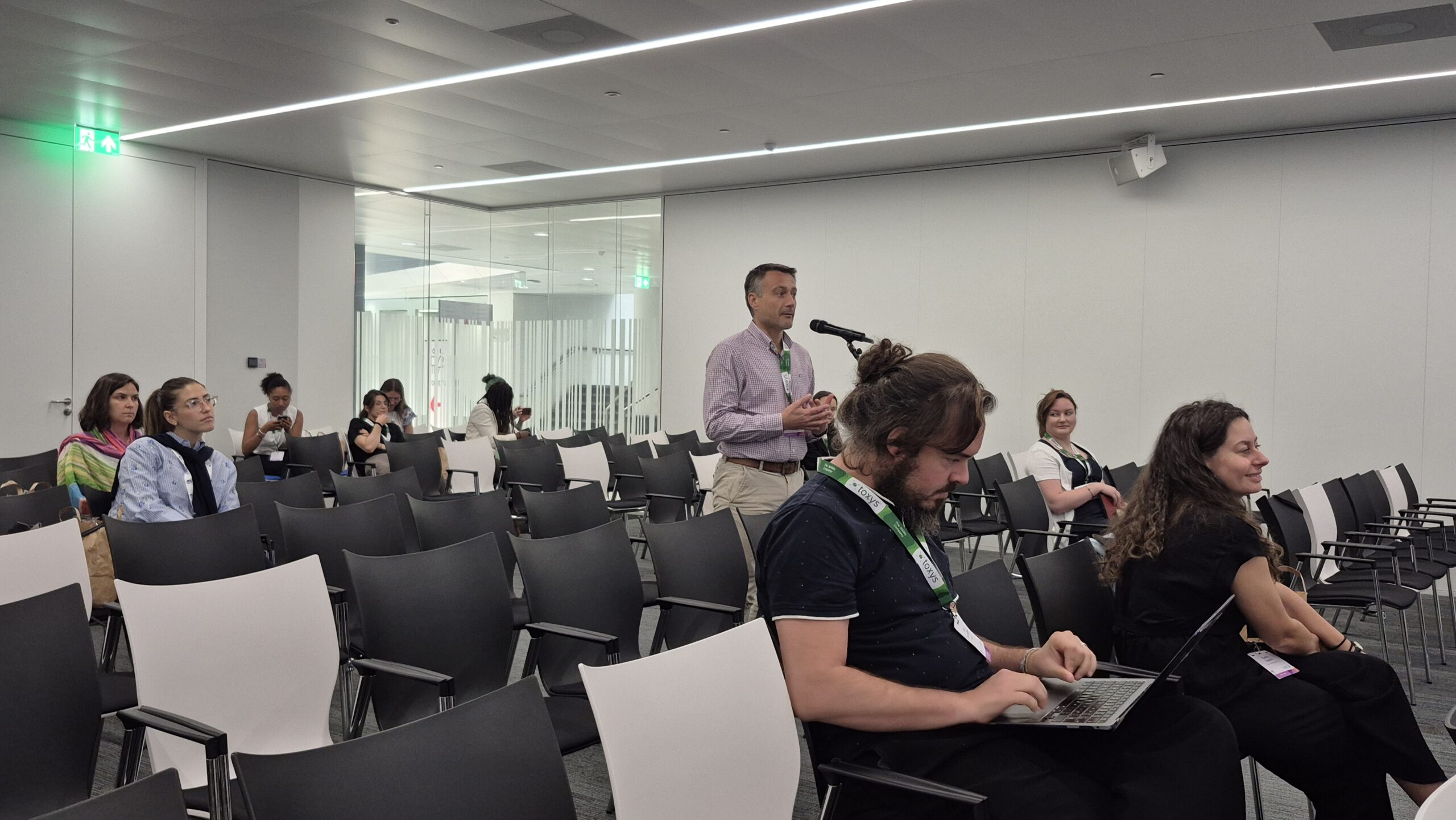
Mathieu Vinken, coordinator of the ASPIS cluster, contributing to the discussion on the long-term sustainability of early-career researcher networks beyond the lifetime of individual European projects.
Key takeaways
The session confirmed that ECR communities are valuable spaces for professional development, peer support, and scientific exchange. It also highlighted that collaboration between existing networks can reduce duplication, increase visibility, and create broader opportunities for ECRs across European toxicology initiatives.
Several priorities emerged from the discussion:
- ECR activities should be practical, career-oriented, and clearly aligned with researchers’ needs.
- Mobility opportunities, laboratory exchanges, and support in establishing collaborations are highly valued by ECRs.
- Mentoring should be flexible and co-designed by mentors and mentees.
- Clear communication and early announcements of activities are essential to improve participation.
- Cross-network collaboration can strengthen ECR communities while preserving their individual identities.
By bringing together the ASPIS Academy, PARC Junior Community, VICT3R ESR Network, and ESTIV Early Career Network, this lunch session created a space for reflection, dialogue, and future collaboration. The outcomes will allow ECRs to build stronger, more connected, and more sustainable ECR communities in toxicology, NAMs, and chemical risk assessment.
The ASPIS Academy would like to warmly thank ESTIV for supporting this session by providing space within the main scientific programme of ESTIV 2026 and by sponsoring the lunch boxes offered to participants. This support builds on the longstanding collaboration between ESTIV and ONTOX, formalised through a Memorandum of Understanding signed in 2021 to promote mutual activities in the field of NAMs, and reflects ESTIV’s continued commitment to supporting ECRs.
