The ASPIS Open Symposium returns for the final time on 2–3 July 2026, marking the closing chapter of a unique scientific journey. But what truly remains when more than five years of collaborative European research come to an end? Before stepping into this final milestone, take a closer look at what ASPIS has achieved — and what will remain beyond it.
Over the past five years, the three Horizon 2020 projects forming the ASPIS cluster — ONTOX, PrecisionTox, and RISK-HUNT3R — have advanced innovative, animal-free approaches to chemical safety assessment. By combining cutting-edge biological methods, computational tools, and AI-enabled systems, ASPIS has contributed to the development of next-generation risk assessment in Europe and beyond.
This mini-interview brings together the perspectives of ASPIS coordinators on the cluster’s journey toward sustainable, animal-free, and reliable chemical risk assessment.
What has ASPIS achieved over the past 5+ years?
Mathieu Vinken (Vrije Universiteit Brussels), ONTOX coordinator and ASPIS coordinator for 2024–2026:
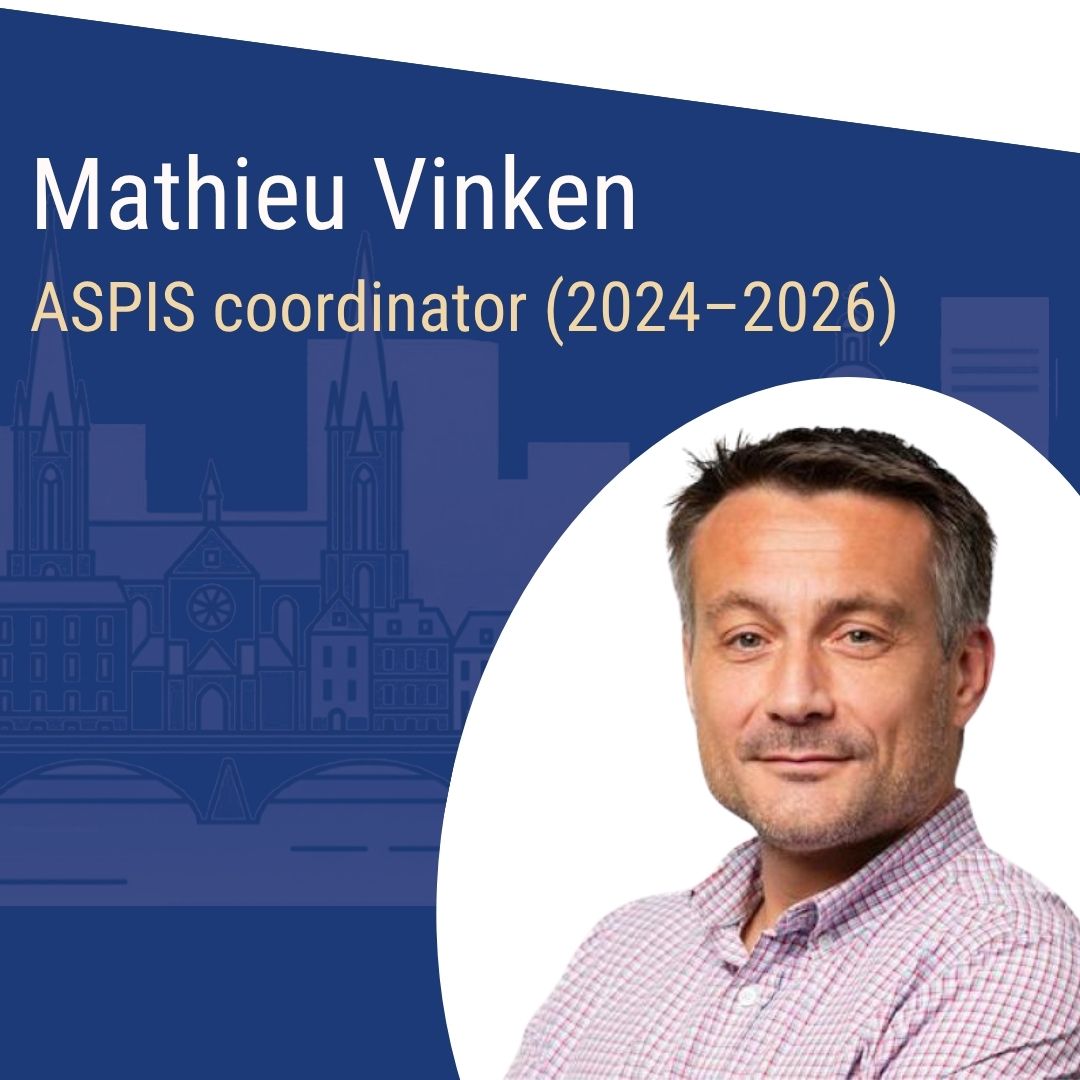
ASPIS has demonstrated that New Approach Methodologies (NAMs) can move from conceptual promise to regulatory-relevant solutions, particularly in the context of Next Generation Risk Assessment. By integrating mechanistic toxicology, advanced in vitro systems, and computational modelling, ASPIS has strengthened the scientific backbone needed to reduce and ultimately replace animal testing.”
Most importantly, the cluster has created a sustainable European ecosystem that connects academia, regulators and industry, accelerating the transition toward more predictive and human-relevant safety assessment.
John Colbourne (University of Birmingham), PrecisionTox coordinator and ASPIS coordinator for 2023–2024:
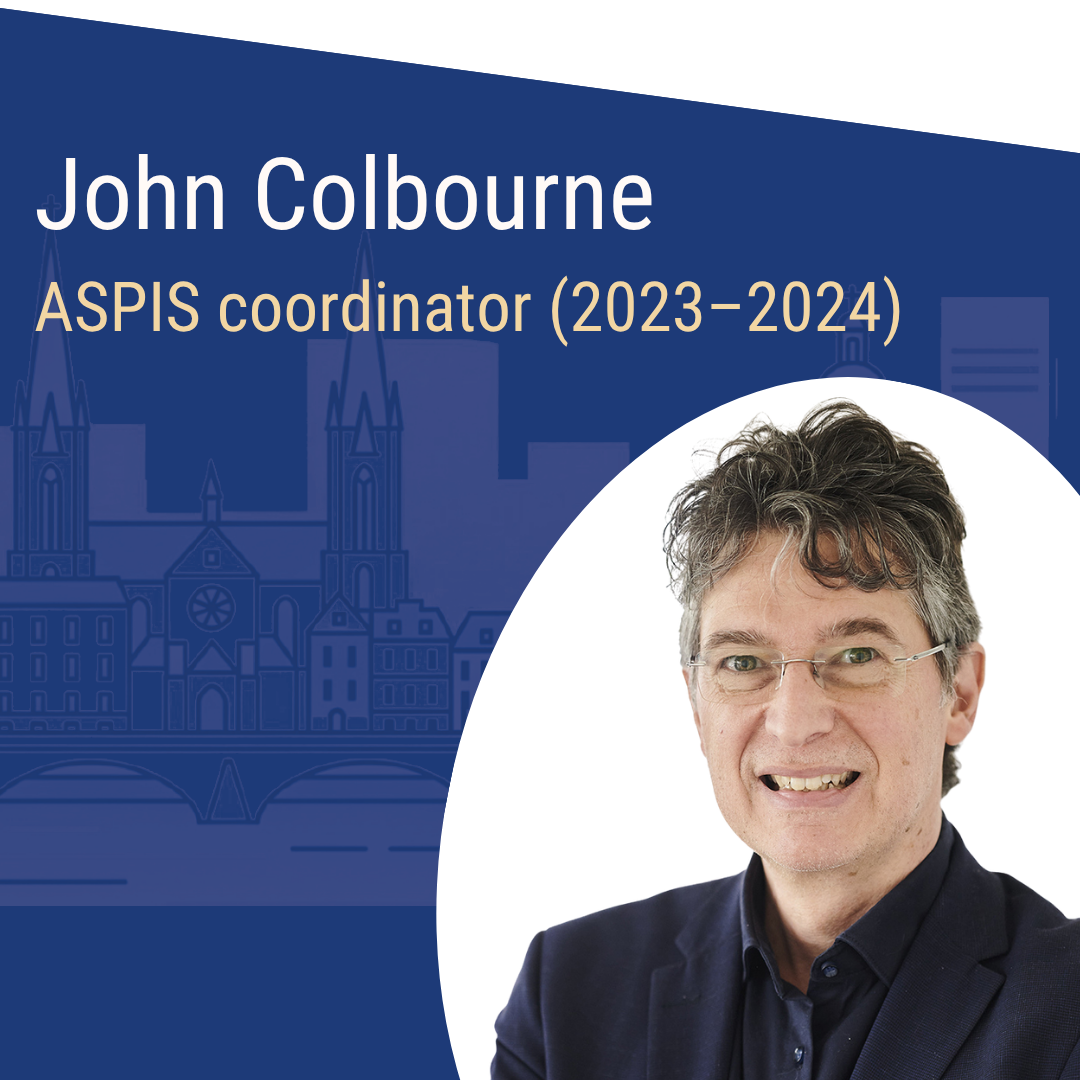
ASPIS’s conclusion aligns with major European and UK roadmaps aimed at streamlining regulatory acceptance for animal alternatives. This is no coincidence. We’ve seen a shift in people’s thinking about the sociotechnical hurdles to overcome, partly due to our interdisciplinary contributions involving scientists, risk managers and legal scholars.
Scientifically, ASPIS has generated a vast amount of unique data that will be utilised by the broader biological research community for years to come, thanks to careful management. Toxicology continues to develop as a discipline by producing foundational knowledge of how biological systems function through chemical perturbation. Let’s revisit ASPIS’s impact in five years and be even more amazed by the discoveries made from this data.
Bob van de Water (Leiden University), RISK-HUNT3R coordinator and ASPIS coordinator for 2021–2022:
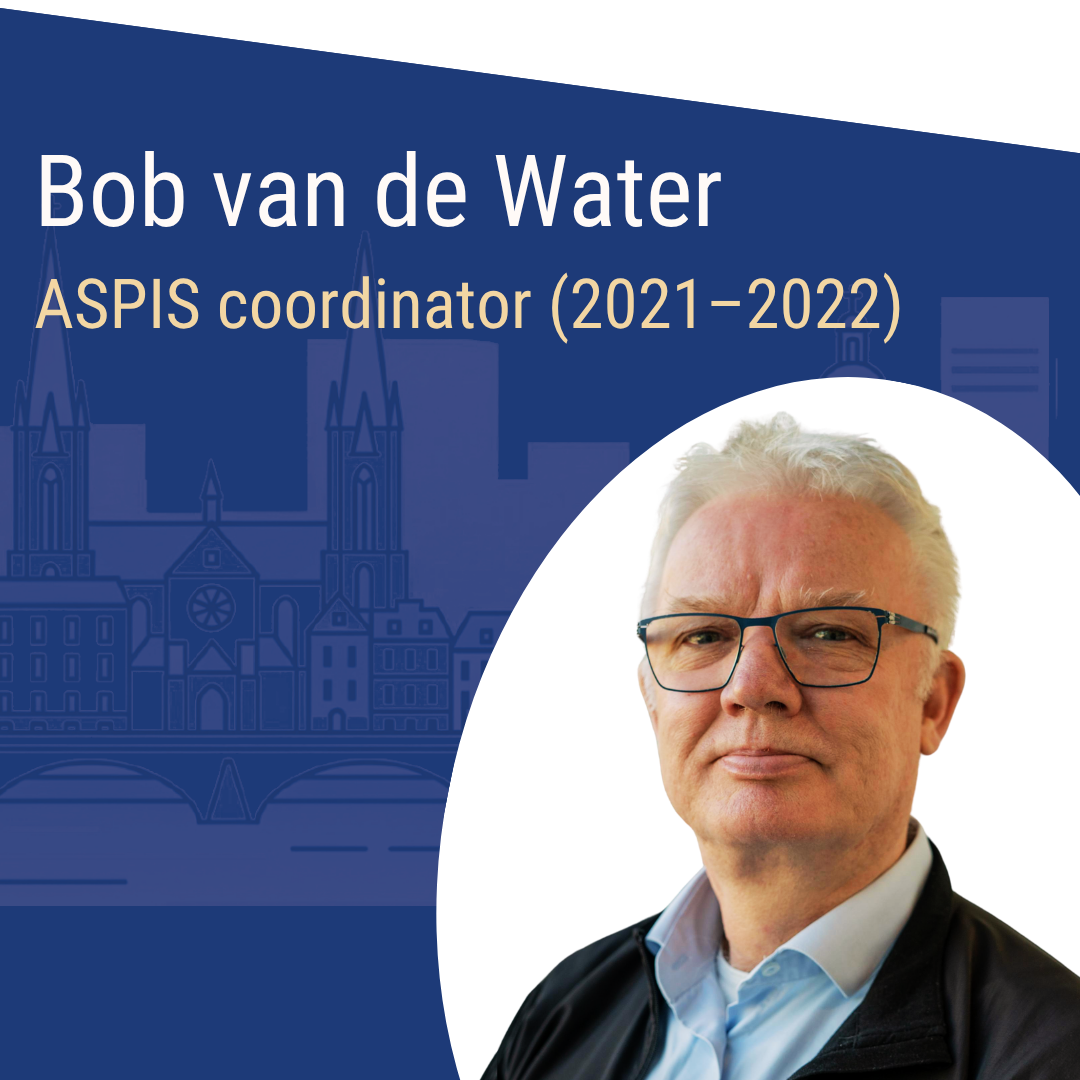
We already knew that non-animal approaches can work for chemical safety testing in various scenarios. Now with ASPIS, we have taken a big step further, showing that we can actually create full workflows for Next Generation Risk Assessment that are completely based on animal-free testing.
What will remain as ASPIS comes to a close?
As ASPIS comes to an end, we are concluding a highly productive chapter of coordinated innovation in animal-free safety assessment. What will remain is far more important than the projects themselves, namely, advanced methodologies, open data, regulatory dialogue and a strong network of scientists committed to Next Generation Risk Assessment.
The true legacy of ASPIS is the sustainable scientific and collaborative foundation that will continue to accelerate the transition toward human-relevant toxicology in Europe and beyond.
ASPIS is primarily a research community dedicated to tackling the wicked problem of managing the global environmental and human health effects of hazardous chemicals by modernising regulatory toxicology. Its legacy lies in preserving the diversity and real sense of purpose within this interdisciplinary community, especially among its early-career researchers.
We are already seeing new structures emerge from ASPIS, including the Centre for Environmental Research and Justice (CERJ) at the University of Birmingham, which will further promote the ASPIS mission alongside its other institutions.
Of course, it is a pity that one of the world’s leading and most visible NAM-based R&D clusters will come to an end, but at the same time, it is clear that our efforts have helped regulatory agencies and organisations to become more and more confident in taking up non-animal solutions for future decision making in chemical safety assessment.
Moreover, our consortia have trained the next generation of safety scientists for whom non-animal safety testing is the new standard, and they will be the safety assessors of tomorrow.
Be part of the final chapter
The Final ASPIS Open Symposium offers a unique opportunity to engage directly with the scientists and stakeholders driving this transition — and to help shape what comes next for chemical risk assessment in Europe.